Can you paint a rented flat in Dubai? Consent, approvals and handing it back
Dubai's tenancy law lets a tenant decorate, but only with the landlord's permission, and the flat has to go back in the condition it came in. Written consent and photos on moving-in day are the surest way to avoid a repainting bill at the end.

A tenant in Dubai can paint a rented flat in any colour, provided the landlord agrees first and the flat goes back in the condition it was received at the end of the tenancy. Both conditions come from Law No. 26 of 2007, which regulates relations between landlords and tenants in the emirate and was amended by Law No. 33 of 2008. The rules in other emirates differ.
Painting counts as a change, so consent comes first
Article 19 of the law obliges a tenant to look after the property "as an ordinary person would maintain his own property", and adds that a tenant may not make any changes, or carry out restoration or maintenance works, unless the landlord permits it and the required licences have been obtained from the competent authorities.
Ashish Mehta, a lawyer who answers readers' questions in Khaleej Times, reads the article plainly: any change or modification to rented premises needs the landlord's prior written approval and, where relevant, approvals from the authorities or from building management. An email from the landlord or the managing agent that names the rooms and the colours is the simplest record of that approval.
The landlord has to help with official approvals
Article 18 puts an obligation on the landlord as well. When a tenant wants to carry out decoration works that need approval from official bodies in Dubai, the landlord must provide the tenant with the approvals required for the application, as long as the works do not affect the structure of the property. Whether a repaint needs anything beyond the landlord's consent depends on the building, since a building's management or master developer may have rules of its own, and the landlord is the person who can obtain those approvals.
Changes that touch safety are another matter entirely. Article 25 allows a landlord to seek eviction before the end of a lease where a tenant makes a change that endangers the property's safety in a way that makes it impossible to restore. Moving a wall or rewiring a light is not decoration, and the article on bathroom lights and the DEWA rules explains why electrical work belongs to an enrolled contractor.
Handing back: same condition, except ordinary wear and tear
Article 21 requires a tenant, at the end of the lease, to return the property "in the same condition in which the Tenant received it", except for ordinary wear and tear or damage for reasons beyond the tenant's control. Disputes go to the tribunal, which in practice means Dubai's Rental Disputes Centre, the body the Khaleej Times lawyer points tenants to. Article 20 allows a landlord to take a security deposit for maintenance at the end of the lease and obliges the landlord to refund it, or what remains of it.
In a Khaleej Times answer on move-out charges, Mehta writes that a landlord or agency may claim for repainting if the condition of the flat goes beyond normal wear and tear and if the tenancy terms require the tenant to repaint on leaving. A tenant who thinks a deduction is excessive can ask for evidence of the charges and approach the Rental Disputes Centre.
When the landlord pays for repainting
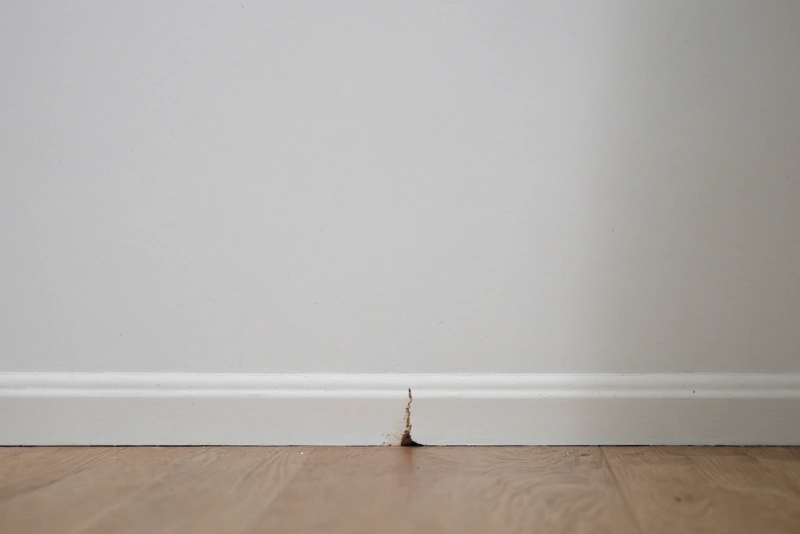
During a tenancy, wear and tear is the landlord's problem. Article 16 makes the landlord responsible for maintenance works and for repairing defects that affect the tenant's use of the property, unless the parties agree otherwise, and Article 17 makes the landlord responsible for wear and tear that is not the tenant's fault.
Khaleej Times' legal column notes that the law sets no time frame for that maintenance, so there is no automatic right to a repaint every year. A tenant can ask the landlord or agent to repaint where the walls need it through ordinary wear and tear, and can file a complaint with the Rental Disputes Centre if the landlord refuses, provided the contract does not make painting the tenant's responsibility.
A checklist before the first coat
Five steps before the first coat protect both the walls and the deposit:
- Read the contract for any clause on painting, decoration or handover condition before asking.
- Ask in writing and get a written answer that names the rooms and the colours.
- Agree the handover at the same time: whether the walls must go back to the original colour, and who pays if so.
- Photograph every wall on the day the tenancy starts and again after painting.
- Use a certified water-based paint; the article on low-VOC paint in Dubai explains what the municipality's limits cover.
Choosing the colour is the pleasant part. The article on white walls in strong Gulf light covers whites, and the piece on whether light walls make a room look bigger explains what lightness does to a small flat. A textured lime finish is harder to undo than a coat of emulsion, which matters for a tenant planning the handover, as the article on limewash in a hot, humid city shows.
Sources
- Law No. (26) of 2007 Regulating the Relationship between Landlords and Tenants in the Emirate of Dubai, Dubai Legislation Portal, Government of Dubai
- Can Dubai tenants make modifications to a rented apartment?, Khaleej Times, Legal View
- Move-out costs in Dubai: are tenants liable for cleaning and repainting charges?, Khaleej Times, Legal View
- Dubai law: can I ask my landlord to repaint my rented flat every year?, Khaleej Times, Legal View
- Dubai rentals: who covers the cost of maintenance and wear and tear?, Khaleej Times, Legal View